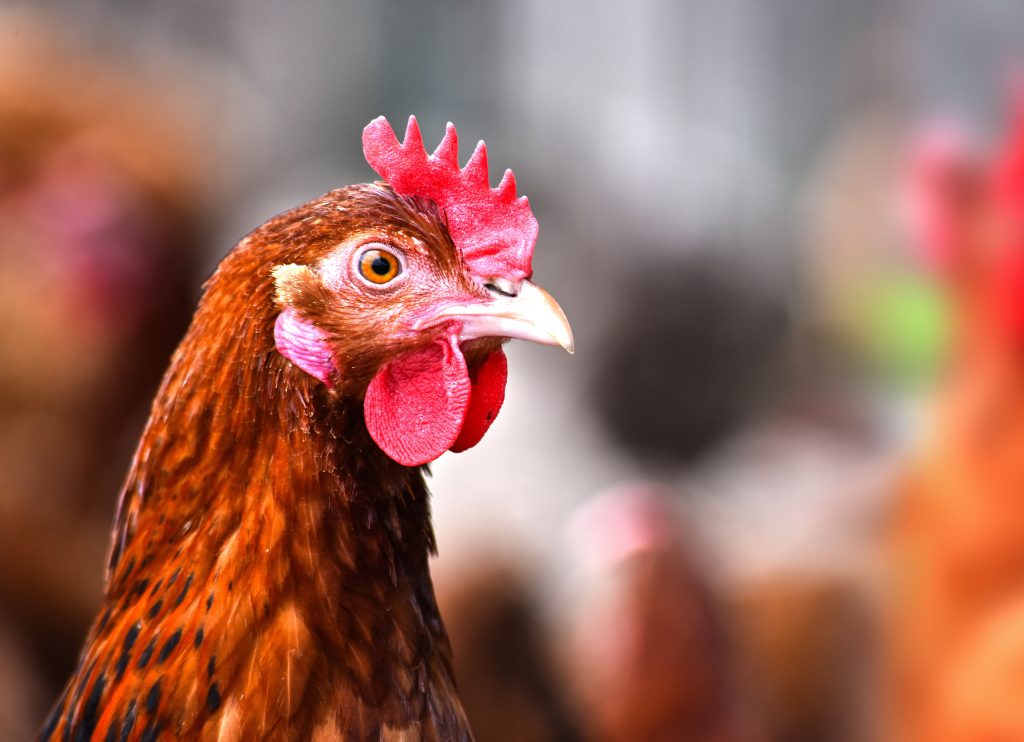
Activated carbon binds to mycotoxins, heavy metals, pesticides, and other harmful substances ingested via contaminated feed or plants, preventing them from being absorbed into the animal's body. This acts as an effective preventative or emergency treatment for poisoning.

By neutralizing harmful compounds and adsorbing excess gases that cause bloating or diarrhea, activated carbon improves the gut environment. This leads to better nutrient digestibility and assimilation, resulting in improved feed efficiency and weight gain in animals like poultry, pigs, and cattle.

A healthier gut environment, with a lower load of pathogens like E. coli and Salmonella, helps support a stronger immune system and reduces the need for antibiotics. This can lead to decreased mortality rates, especially in young stock.

Studies have shown that supplementation can lead to increased milk fat and protein content in dairy cows, as well as improved egg weight and shell quality in poultry.

The addition of activated carbon to the diet significantly reduces foul odors (like ammonia and hydrogen sulfide) in manure, improving air quality in housing facilities. When the enriched manure is used as a soil amendment, it also helps sequester carbon and can improve soil fertility. Especially once it's been through the animal and combined with the grass in cowpats or chicken droppings across the paddock, which you spread around with your chain harrows.
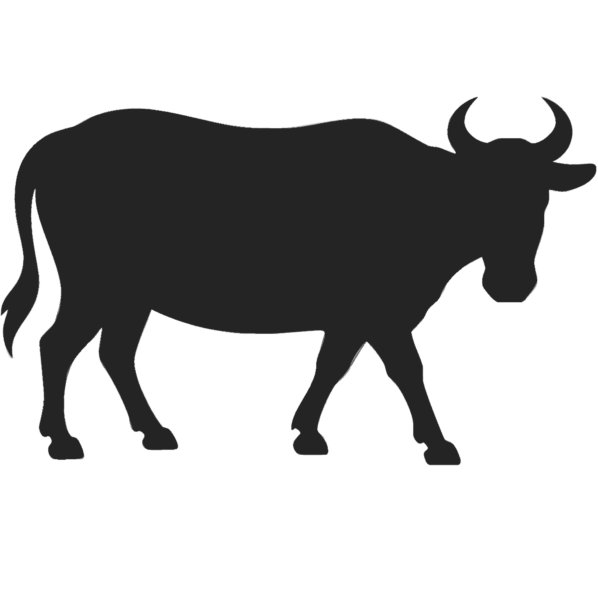
30 to 100g+/hay/day with dry lick or molasses for cattle. Mix with other fodder types
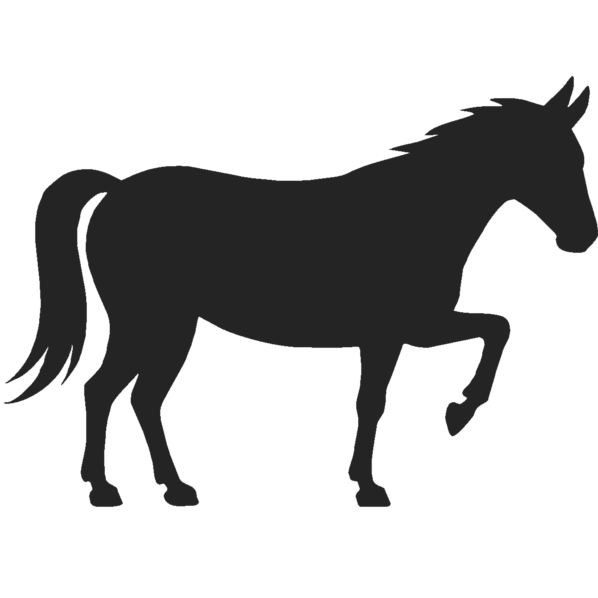
1/4 cup for horses mixed in feed with molasses
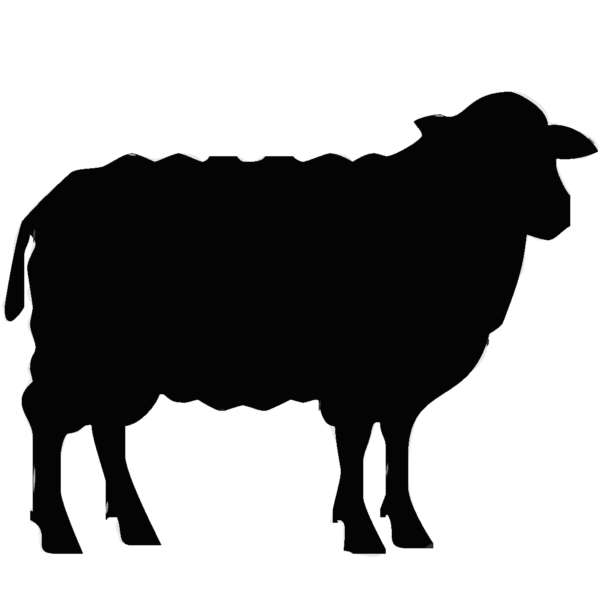
1/8th cup for sheep mixed in feed
1/8th cup for pigs mixed in feed
1/8th cup for goats mixed in feed
Use as part of the free choice system for poultry.